
Lighting and Sound That Persuade
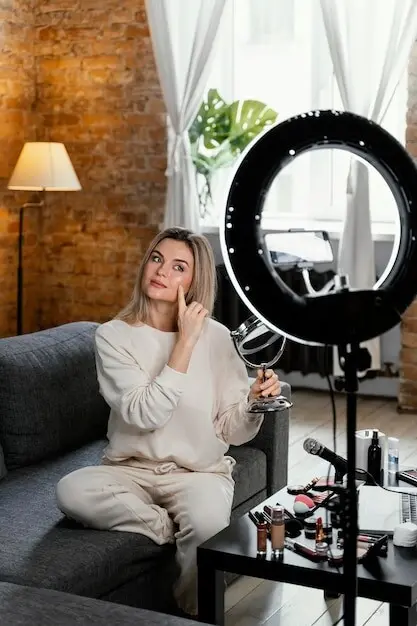
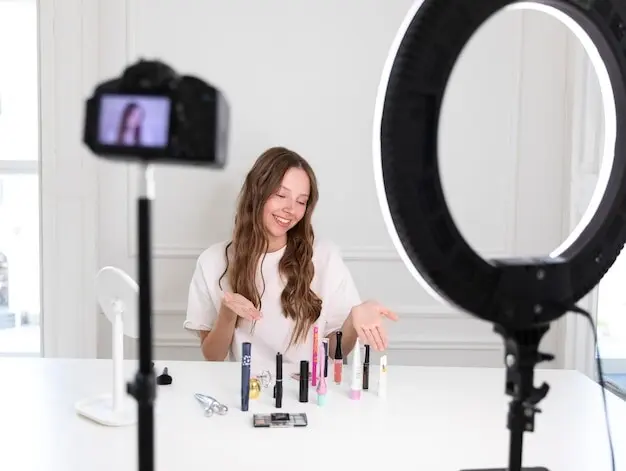
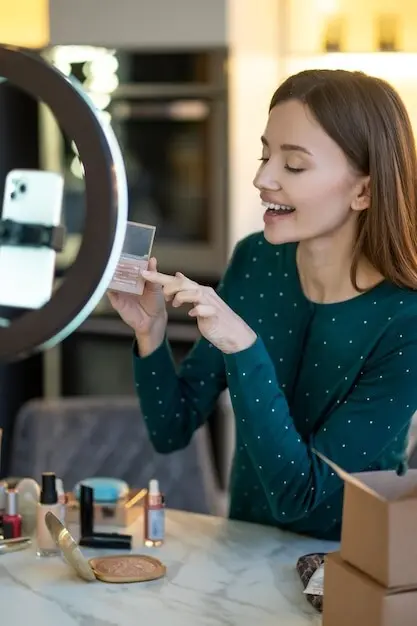
Place key and fill lights to eliminate harsh shadows on faces while adding a small backlight to separate subjects from background. For products, use diffusers and bounce cards to reveal textures honestly. Clip-on lav mics reduce room echo and keep hands free. Monitor audio with in-ear buds. During loud demos, ride levels gently rather than shouting. Clear, pleasant sound builds trust subconsciously, making every claim feel steadier and every instruction easier to follow.
Camera Angles and Hand Presence
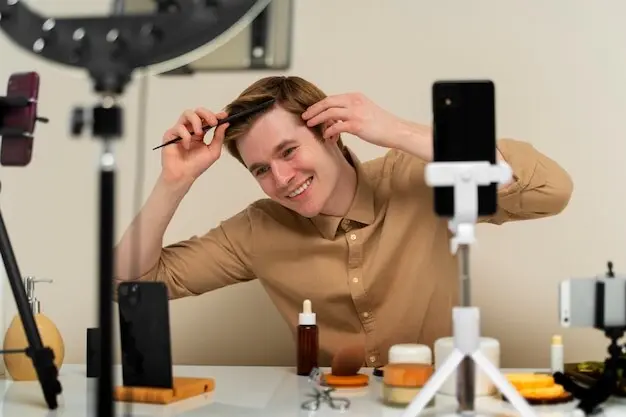
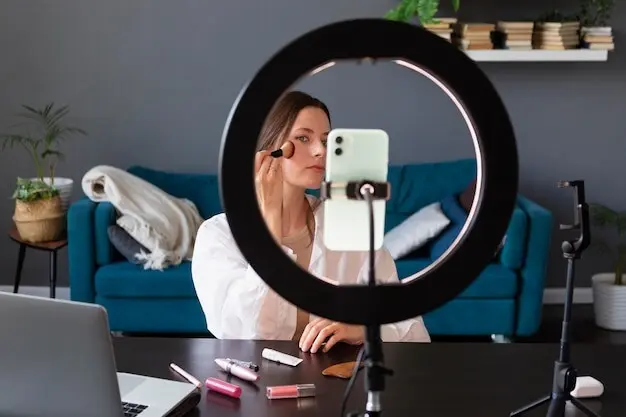
Alternate between an establishing frame, a tight product macro, and an over-the-shoulder shot that shows actual use. Keep clean hands in frame to demonstrate scale, controls, and assembly steps, pausing naturally at key moments. Label buttons on-screen to reduce cognitive load. Gentle parallax or slider moves can add depth without dizziness. Consistency matters more than spectacle, so rehearse transitions until muscle memory forms and the audience experiences seamless clarity from curiosity to comprehension.

Run-of-show and Backstage Roles
Draft a minute-by-minute outline with flexible buffer zones, linking each segment to specific assets, camera angles, and on-screen graphics. Assign roles for chat moderation, order verification, tech troubleshooting, and timekeeping, with back-channel comms for quiet handoffs. Conduct a quick preflight checklist fifteen minutes before going live. When everyone knows responsibilities and signals, the show breathes easily, adapting to surprises while preserving pace, warmth, and the promise you extended at the opening hook.